
Inexperienced Cities Can Make Room for New Houses and the Farms That Feed Them — International Points
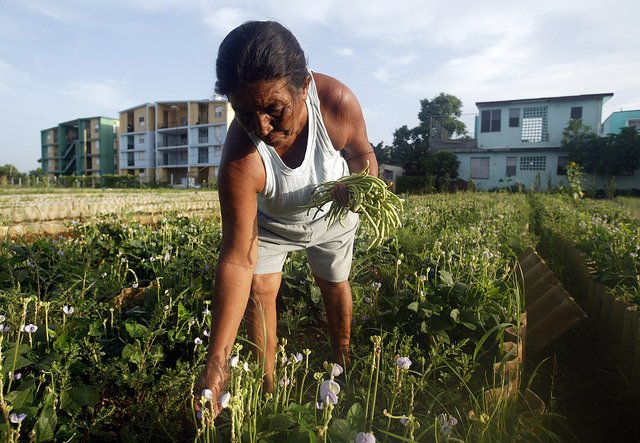
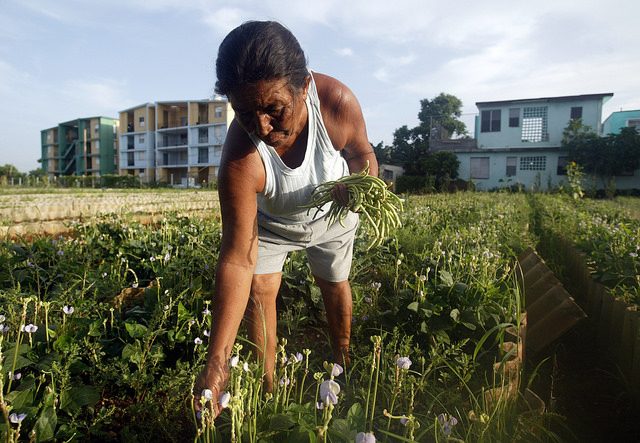
ROME, October 30 (IPS) – A discipline on the fringe of a rising metropolis could also be price excess of its market value suggests. It could produce greens bought in close by markets, assist native livelihoods and supply inexperienced area in an more and more built-up surroundings. It could actually additionally assist cities handle water, adapt to local weather shocks and strengthen native meals provides. As municipal authorities resolve the place new houses and infrastructure ought to go, understanding what their land already contributes can assist them plan for housing and meals collectively.
This query lies on the coronary heart of World Cities Day, which the United Nations will mark on 31 October underneath the theme “Regenerating the Metropolis: Ample Housing for All.”
In keeping with the United Nations, cities are actually residence to 45 p.c of the world’s inhabitants and are projected to account for two-thirds of world inhabitants progress between now and 2050.
Accommodating this enlargement would require huge funding in housing, infrastructure and public providers. It additionally presents a chance to rethink how meals manufacturing and concrete growth can assist each other.
Agriculture is already an integral a part of the life and financial system of many cities world wide. Inside city areas and alongside their increasing boundaries, farmers domesticate greens, fruits and different crops that provide native markets, generate employment and earnings, notably for small-scale producers, and enhance entry to recent and nutritious meals.
Past meals manufacturing, city and peri-urban agriculture may also strengthen local weather resilience, contribute to the restoration of city ecosystems and assist the event of greener, more healthy and extra sustainable cities.
The proximity of farms to customers may be particularly useful for perishable produce. Proximity to markets can cut back transport distances and, when supported by enough dealing with and storage, assist restrict losses of perishable produce. City and peri-urban agriculture may also diversify meals provide chains, giving cities further sources of meals when longer distribution networks face disruptions.³
But the contribution of those farms just isn’t all the time adequately acknowledged in city growth selections. Land could also be assessed primarily for its potential industrial or residential worth, overlooking the meals, livelihoods and environmental providers it already gives.
As cities broaden, these wider advantages deserve higher consideration. Agricultural land can assist take in rainfall, assist biodiversity and contribute to city inexperienced infrastructure. With applicable safeguards, farming may also make use of suitably handled wastewater and safely processed natural sources. As soon as agricultural land is transformed to different makes use of, such advantages may be tough to get better.
This doesn’t imply defending each agricultural plot from growth. Cities urgently want extra houses, and housing should stay a precedence. The duty is to make better-informed selections about the place growth ought to proceed and the place sustaining productive agricultural land can provide lasting advantages.
Rosario, Argentina, illustrates how municipal coverage can deliver these aims collectively. Following the nation’s financial disaster in 2001, the town developed an city agriculture programme that remodeled vacant and underused land into productive areas. It created alternatives for low-income households, supported fresh-food manufacturing and introduced agriculture into municipal growth planning.
Municipal authorities established preparations to attach producers with accessible land, together with private and non-private plots. Rosario subsequently integrated agriculture into municipal planning and, in 2016, launched a Inexperienced Belt Venture to assist agroecological manufacturing across the metropolis.
Its expertise demonstrates how native governments can combine meals manufacturing into wider efforts to enhance city livelihoods and the surroundings.
The lesson extends past Rosario. City agriculture can not change rural farming, which stays indispensable for feeding cities. Its specific contribution lies in complementing rural manufacturing, particularly by recent produce, diversified provide chains and stronger connections between city markets and surrounding agricultural areas.
Realizing these advantages requires sound administration. Producers want entry to appropriate land and secure water, alongside efficient food-safety safeguards. Water-efficient irrigation, protected cultivation, improved logistics and the restoration of vitamins from natural waste can assist cities use scarce sources extra successfully. Essentially the most helpful improvements are people who native farmers can afford, function and maintain.
This broader method is mirrored within the Meals and Agriculture Group of the United Nations’ Inexperienced Cities Initiative, launched in 2020 with the ambition of enhancing well being and well-being in 1,000 cities by 2030.
The Initiative connects city and peri-urban agriculture with forestry, inexperienced infrastructure and sustainable natural-resource administration. By the Inexperienced Cities Community, municipalities can trade expertise, construct partnerships and establish sensible options suited to their circumstances.
World Cities Day provides an event for municipal authorities to behave. Two measures would make a sensible distinction.
First, cities can combine meals and agriculture into city and territorial planning. Mapping agricultural land, figuring out its producers and understanding its connections to markets and surrounding rural areas can assist governments make extra knowledgeable selections about housing, infrastructure and land use.
Second, municipalities can create circumstances that encourage sustainable agricultural funding by applicable zoning, safe entry to land, improved market infrastructure and technical assist. Rosario demonstrates how municipal insurance policies can assist make agriculture an enduring a part of city growth.
The cities of tomorrow will want extra houses, higher infrastructure and thriving economies. In addition they stand to realize from the agriculture that sustains their populations. Recognizing its full worth can assist cities make higher selections about what to construct, what to protect and how you can develop.
Zhimin Wu is Assistant Director-Basic and Director of the Forestry Division on the Meals and Agriculture Group of the United Nations (FAO).
© Inter Press Service (20261030182236) — All Rights Reserved. Authentic supply: Inter Press Service